Study in Denmark from Bangladesh: Complete Guide for Bangladeshi Students
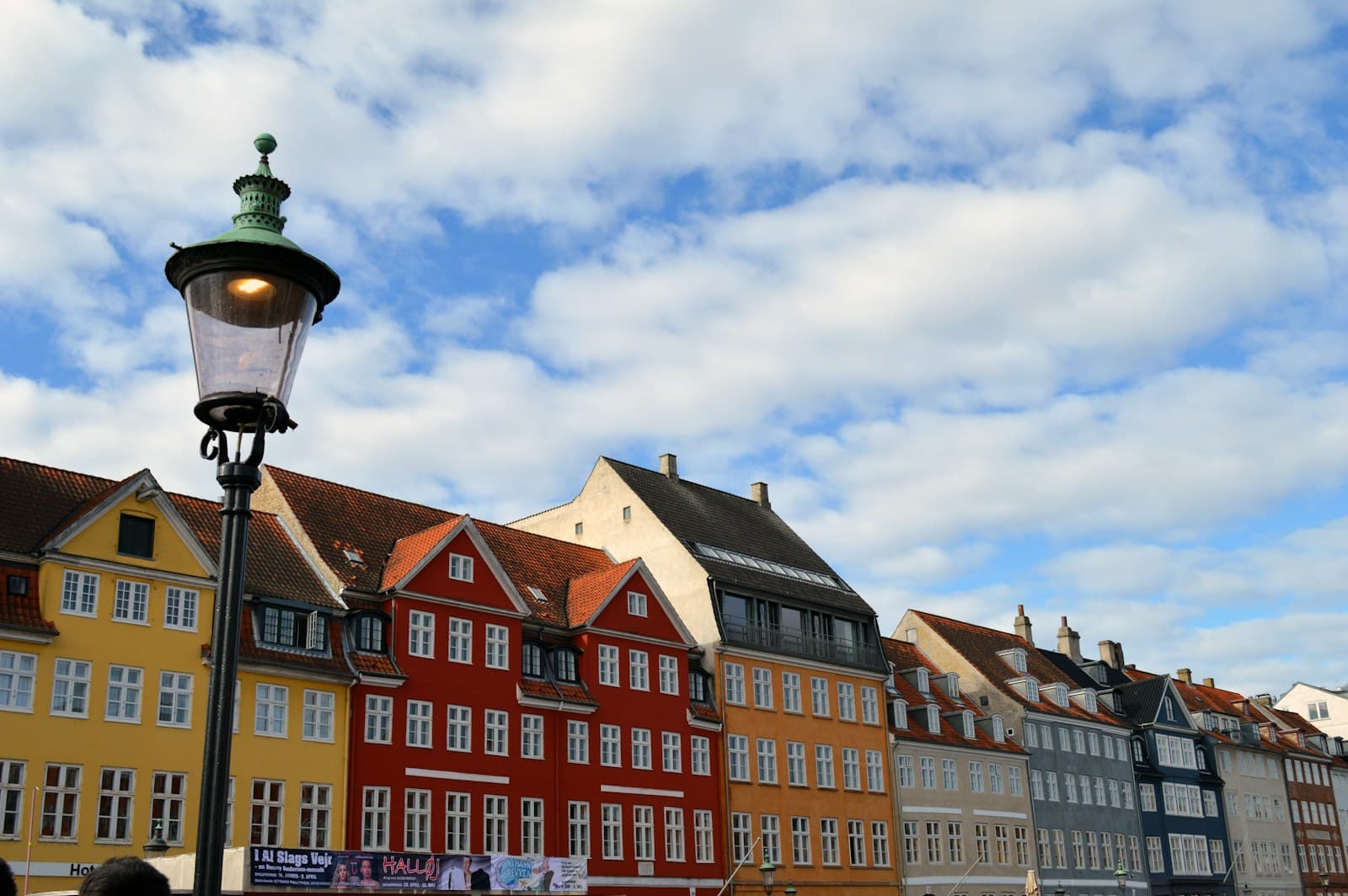
Denmark is an attractive study destination for Bangladeshi students looking for an international education experience in Europe. The country offers a range of higher education programmes, including English-taught courses, with a strong focus on practical learning, research, innovation, and independent study.
For students planning to study in Denmark from Bangladesh, understanding the admission process, tuition fees, scholarships, living costs, student work opportunities, and residence permit requirements is essential.
This guide explains the key information Bangladeshi students should know before applying to study in Denmark.
Why Study in Denmark?
Denmark has a well-established higher education system and offers a variety of programmes for international students. Many programmes are taught in English, making Denmark accessible to students who do not speak Danish.
Some reasons students consider Denmark for higher education include:
English-taught study programmes
International learning environment
Practical and research-based education
Focus on innovation and critical thinking
Opportunities to develop professional skills
Modern learning and teaching methods
International student community
Opportunities to gain work experience subject to applicable rules
The right destination depends on your academic background, preferred course, budget, career plans, and eligibility.
Study in Denmark for Bangladeshi Students
Bangladeshi students can explore different types of higher education programmes in Denmark depending on their previous qualifications.
Study options can include:
Academy Profession programmes
Professional Bachelor's programmes
Bachelor's degrees
Master's degrees
PhD and research programmes
Selected exchange and specialised programmes
The availability of English-taught programmes depends on the institution and study level.
Students should always check the specific academic requirements of their chosen programme before applying.
Popular Subjects to Study in Denmark
Denmark offers international study opportunities across a wide range of academic fields.
Popular areas include:
Business and Management
International Business
Computer Science
Information Technology
Engineering
Data Science
Artificial Intelligence
Finance and Economics
Renewable Energy
Biotechnology
Environmental Studies
Design
Life Sciences
Marketing
Supply Chain Management
The best course for a student depends on their previous education, interests, career objectives, and eligibility.
Universities and Higher Education Institutions in Denmark
Bangladeshi students can explore a variety of Danish higher education institutions depending on their chosen subject and level of study.
Some well-known institutions include:
University of Copenhagen
Aarhus University
Aalborg University
University of Southern Denmark
Copenhagen Business School
IT University of Copenhagen
Roskilde University
VIA University College
Copenhagen Business Academy
Niels Brock
Each institution has its own programmes, admission requirements, tuition structure, and application deadlines.
Students should compare individual programmes rather than choosing a university based only on its general reputation.
Bachelor's Study in Denmark
Students applying for a Bachelor's programme generally need an appropriate upper-secondary qualification that meets the admission requirements of the selected programme.
Depending on the course, applicants may need specific subjects or academic results.
For Bangladeshi students, the university or institution will assess whether their previous qualification meets the programme's admission requirements.
Students should prepare:
SSC or equivalent certificate
HSC or equivalent certificate
Academic transcripts
English language evidence where required
Passport
Other programme-specific documents
Some programmes may have additional subject requirements or admission tests.
Master's Study in Denmark
Denmark offers a range of Master's programmes for international students.
Applicants normally need a relevant Bachelor's degree or equivalent qualification.
Depending on the programme, universities may consider:
Previous academic qualification
Relevant subjects studied
Credit requirements
Academic grades
English language proficiency
Relevant professional experience where applicable
Motivation or personal statement
Additional programme-specific requirements
Students should carefully check whether their Bachelor's degree matches the academic background required for the selected Master's programme.
English Language Requirements
Many programmes taught in English require students to demonstrate English language proficiency.
IELTS is widely accepted, but some institutions may accept other recognised English language tests or alternative evidence depending on their admission policies.
English requirements can vary according to:
University
Programme
Study level
Previous education
Language of previous study
Students should check the specific English requirement for their chosen programme rather than assuming the same score applies to every university.
Tuition Fees in Denmark
Students from outside the EU/EEA and Switzerland generally pay tuition fees for full-degree higher education in Denmark, although exemptions may apply in certain circumstances.
Tuition fees vary depending on the institution and programme. A broad estimate for many international programmes is around €6,000 to €16,000 per year, but actual fees can be higher or lower.
Students should check the exact tuition fee for their selected programme before making financial plans.
In addition to tuition, students should budget for:
Accommodation
Food
Transportation
Study materials
Personal expenses
Residence permit costs
Travel
Other living expenses
Cost of Living in Denmark
Denmark can have a relatively high cost of living, so students should prepare a realistic financial plan before travelling.
Monthly expenses may include:
Rent
Food and groceries
Public transportation
Mobile and internet
Study materials
Personal expenses
Insurance and other necessary costs
The actual cost depends on the city, accommodation type, and individual lifestyle.
Students should also keep additional funds available for unexpected expenses.
Financial Requirement for Studying in Denmark
Students applying for a Danish residence permit may need to demonstrate that they have sufficient funds to support themselves during their stay.
The current financial requirement for higher education is DKK 7,426 per month, with the amount calculated according to the relevant period of study and applicable immigration rules.
For a study period of more than one year, the financial documentation requirement is generally capped at 12 months, which corresponds to DKK 89,112 at the current rate.
Students should ensure that their financial documentation meets the applicable requirements when they submit their residence permit application.
Can Bangladeshi Students Work While Studying in Denmark?
Eligible international students can work in Denmark subject to the conditions attached to their residence permit.
For eligible students in state-approved higher education programmes, the current work permission generally allows:
Up to 90 hours per month from September to May
Full-time work during June, July, and August
Students should always follow the work conditions attached to their own residence permit.
Part-time employment can provide useful work experience and additional income, but students should have sufficient funds to support their education and living expenses without depending entirely on employment.
Scholarships to Study in Denmark
Scholarship opportunities vary between universities and programmes.
Depending on the institution and course, international students may find:
Tuition fee scholarships
Tuition waivers
Merit-based scholarships
University-specific funding
Research funding
Other financial support opportunities
Scholarships can be competitive and may have separate eligibility criteria and deadlines.
Students should research scholarships at the same time as they shortlist universities and programmes.
Student Residence Permit for Denmark
Bangladeshi students generally need a Danish residence permit to study in Denmark.
After receiving admission to an eligible programme, students need to prepare the required documents and complete the residence permit application process.
The process generally involves:
Receiving an admission offer
Accepting the offer
Completing any required tuition payment
Preparing financial documentation
Completing the residence permit application
Providing biometric information where required
Submitting supporting documents
Waiting for the application decision
Students should begin preparing their residence permit documents as soon as possible after receiving admission.
Documents Required to Study in Denmark
The exact document requirements depend on the university and programme, but students commonly need:
Valid passport
SSC certificate and transcript
HSC certificate and transcript
Bachelor's certificate and transcript for Master's applicants
English language test result where required
Curriculum Vitae
Statement of Purpose or motivation letter
Recommendation letters where applicable
Financial documents
Admission or enrolment documents
Additional programme-specific documents
All documents should be prepared according to the requirements of the selected institution.
How to Apply to Danish Universities from Bangladesh
The application process can be divided into several stages.
Step 1: Choose Your Study Level
Decide whether you want to apply for a Bachelor's, Master's, professional programme, or another suitable qualification.
Step 2: Select Your Course
Choose a programme that matches your previous education and career objectives.
Step 3: Check Eligibility
Review the academic, English language, subject, and other admission requirements.
Step 4: Prepare Your Documents
Collect your certificates, transcripts, passport, English test result, CV, motivation letter, recommendations, and other required documents.
Step 5: Submit Your Application
Complete the application according to the university's procedure and deadline.
Step 6: Receive Your Admission Decision
If successful, you will receive an offer or admission confirmation from the institution.
Step 7: Prepare for the Residence Permit
After admission, prepare your financial and other documents for the Danish residence permit application.
Step 8: Prepare for Your Journey
Once your immigration process is completed, arrange accommodation, travel, insurance, documents, and other pre-departure requirements.
When Should You Start Your Denmark Application?
Students should start planning well before their intended intake.
Early preparation gives you enough time to:
Research programmes
Compare universities
Check eligibility
Prepare for an English language test
Collect academic documents
Prepare your CV and motivation letter
Search for scholarships
Arrange finances
Meet application deadlines
Prepare residence permit documents
Some programmes have limited intakes or specific application deadlines, so students should not wait until the last moment.
Why Choose NWC Education for Denmark?
NWC Education provides study abroad counselling and application support for Bangladeshi students interested in studying in Denmark.
Students can receive guidance with:
Course selection
University selection
Eligibility assessment
Application preparation
Academic document review
Scholarship guidance
Statement of Purpose guidance
Offer letter support
Residence permit documentation
Financial document preparation
Pre-departure guidance
Professional counselling can help students understand their options and prepare their applications more systematically.
Study in Denmark from Bangladesh with NWC Education
Studying in Denmark involves several important decisions. Students need to consider their academic qualifications, preferred programme, university requirements, tuition fees, living costs, scholarships, financial requirements, and residence permit process.
If you are planning to study in Denmark from Bangladesh, NWC Education can help you understand the different stages of the process and prepare your application.
You can also explore our guide on studying in Denmark from Chittagong if you are applying from the Chattogram region.
Students can also explore our study abroad guides to learn more about different destinations and international education opportunities.
Start your Denmark study planning early, compare your options carefully, and make sure your academic and financial documents are properly prepared.
Apply Now to discuss your Denmark study plans with NWC Education.