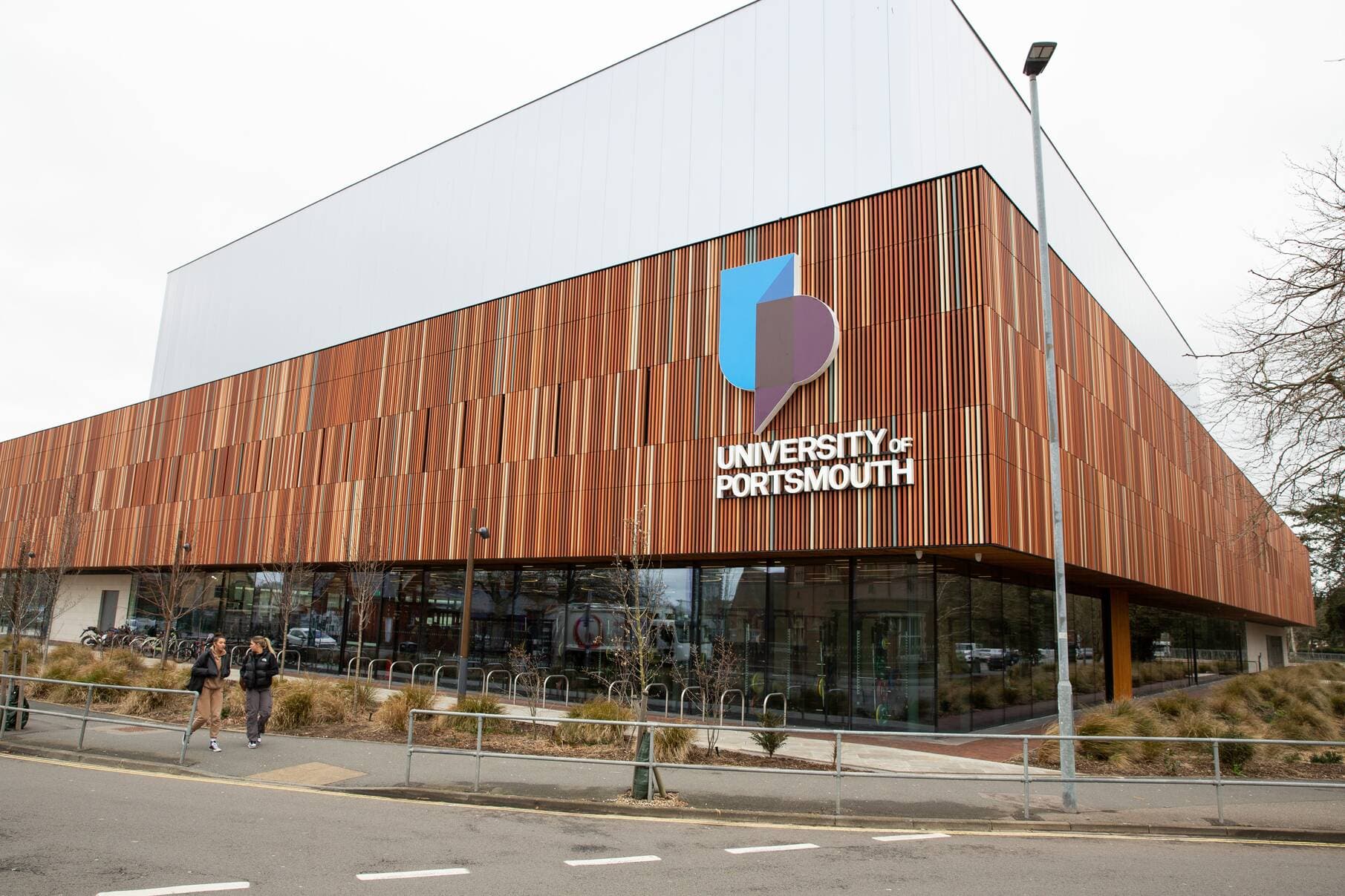

University of Portsmouth Overview For International Students
Global Ranking For University of Portsmouth
The University of Portsmouth is improving in the rankings across the United Kingdom and the world. This is because they are investing heavily in ensuring that teachers are good and that students are happy with their time at the University of Portsmouth.
The most important things are ranked in order. These key rankings include:
- QS World University Rankings: 631 globally
- Times Higher Education (THE): 401–500 worldwide
- Complete University Guide (UK): Around the top 50
- US News & World Report: 577 globally
- CWUR: Ranked within the top 4% of universities worldwide
Subject-level strengths are particularly notable in:
- Accounting & Finance
- Physics
- Engineering & Technology
- Health and Medical-related fields
The rankings show that Portsmouth is a university in the United Kingdom. It is a choice for students who want to get a job after they finish their studies. Portsmouth is not as famous for research as some universities, but it is still a good place to go if you want to find work when you graduate. The university is pretty good at helping students find jobs, which is what makes it attractive to many people. Portsmouth is a good choice for students who care more about getting a job than the university's research reputation.
University of Portsmouth Entry Requirements for International Students
- Academic Requirements: To join the first year of a degree, you typically need qualifications equivalent to UK A-levels or the International Baccalaureate (IB) with 24–31 points, depending on the course.
- Foundation Pathway: If your high school results do not qualify you for direct entry, the International College Portsmouth (ICP) offers foundation courses. These provide a seamless transition into Year 1 of your chosen degree.
- International Year One: For students whose qualifications sit between foundation and direct entry, an International Year One allows you to gain credit for the first year of a degree in a more supported environment before progressing to Year 2.
- Advanced Entry: Applicants with a relevant Higher National Diploma (HND) or a recognized Associate Degree may be considered for entry into the second or final year.
- Academic Requirements: You generally need a recognized Bachelor's degree with a minimum grade equivalent to a UK 2:2 or 2:1 honours (typically 55%–70% depending on the country and institution).
- Pre-Master's Route: If you do not meet the direct entry grades or are looking to change your subject area, a Pre-Master's program at ICP can provide the academic bridge you need.
- Research Degrees (PhD): Applicants must hold a strong Master’s degree and submit a formal research proposal. Relevant professional experience is often highly valued in the selection process.
- Standard Requirement: Undergraduate: Typically IELTS Academic 6.0 overall with no component below 5.5.
- Postgraduate: Typically IELTS Academic 6.5 to 7.0 overall (with no component below 6.0).
- Accepted Tests: In addition to IELTS, Portsmouth accepts TOEFL iBT (standard score of 79+ for UG; 91+ for PG), Pearson PTE Academic (minimum 54+ for UG; 61+ for PG), and Duolingo (subject to a successful credibility interview).
- Pre-Sessional English: The university offers 6-week and 10-week intensive English programs for those who narrowly miss the direct entry scores.
- Credibility Interviews: Applicants from certain countries will be invited to an online credibility interview as part of the CAS Shield process to verify their study intentions for visa purposes.
- Course-Specific Evidence: Courses in architecture, design, and creative technologies usually require a portfolio. Some health-related courses may require an interview or a criminal record check (DBS).
- Documentation: You must provide academic transcripts (with certified translations), a personal statement, one or two references, a copy of your passport, and evidence of funding.
University of Portsmouth Courses for International Students
No courses found matching your search.
University of Portsmouth Scholarship For Overseas Students
University of Portsmouth offers a range of scholarships and financial support for international students to help reduce tuition fees and make studying in the UK more affordable. These scholarships are available for both undergraduate and postgraduate programmes and are awarded based on academic achievement, nationality, or early payment of tuition fees. International students applying to University of Portsmouth may be eligible for several funding opportunities that can significantly lower the overall cost of study.
University of Portsmouth Tuition Fees For International Students
Undergraduate Tuition Fees
- International students: £10,300 – £19,200 per year (depending on subject)
Postgraduate Tuition Fees
- International students: £10,400 – £20,300 per year
So when you do a placement year, you generally only have to pay a small administrative fee. This is usually a fee. Placement years are pretty great because they don't cost much to set up. You just have to pay this administrative fee for your placement year. A range of scholarships and fee discounts is available for eligible international students.
Tuition Fees are changing randomly in accordance with university policy. Please make sure to check the university website.
University of Portsmouth Living Costs and Accommodation

Portsmouth offers over 5,000 rooms across various halls of residence, all centrally located within a 15-minute walk of campus.
University of Portsmouth University with NWC for International Students
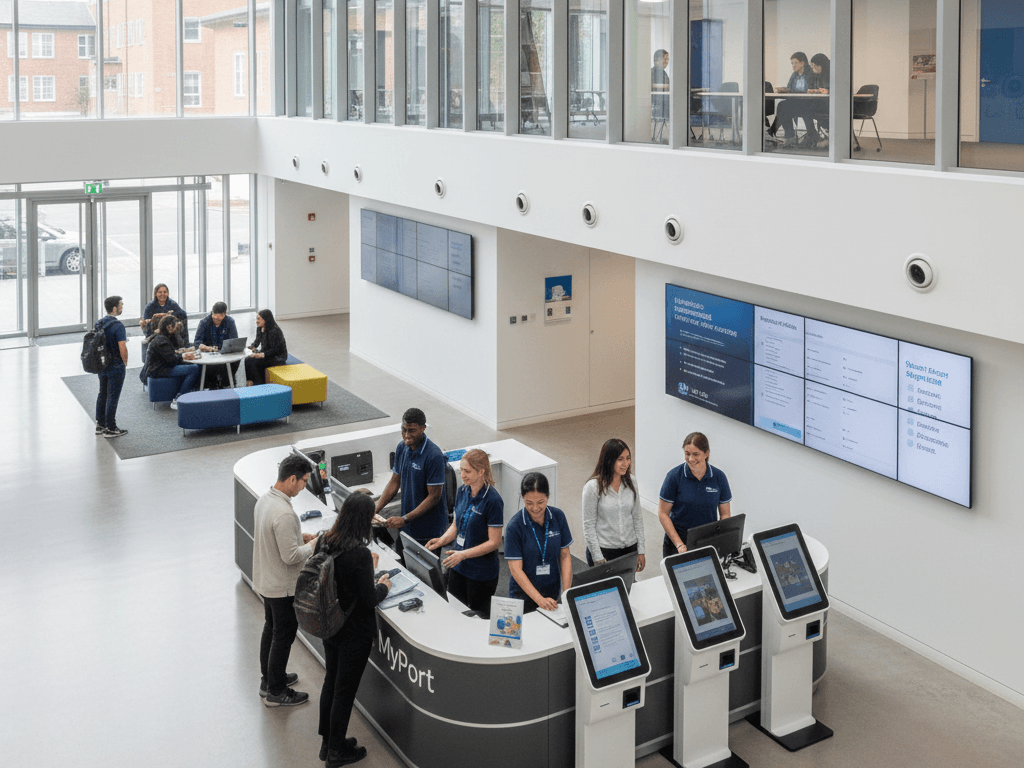
If you are planning to study at the University of Portsmouth or any other institution in the UK, NWC provides comprehensive, expert support to help you achieve your academic goals:
- Personalised University Selection: We help you match your academic background, career ambitions, and budget with the right course and university.
- Streamlined Application Support: From preparing your SOP and organising transcripts to ensuring your application meets university-specific criteria, we handle the details to help maximise your chances of success.
- Visa Guidance & Interview Prep: We provide expert assistance with visa documentation, financial requirements, and mock interview sessions to ensure you are confident and fully prepared.
- Scholarship & Funding Advice: We keep you informed about available scholarships and tuition discounts to make your international education more affordable.
- End-to-End Support: Our guidance continues beyond your admission, offering help with accommodation, pre-departure briefings, and settling into your new environment.
NWC is strategically positioned to support international students wherever they are in their academic journey. With a dedicated network of offices across key international hubs. We provide localized, face-to-face guidance that understands the specific challenges and requirements of students in those regions. Whether you are navigating specific regional documentation, seeking local scholarship opportunities, or just need a personal touch, our team is available to help you close to home.
